Best Epilepsy Care in Guntur – Experiencing a seizure is a disorienting and terrifying experience. If you’ve had two or more episodes, you may have Epilepsy. Nearly 1 in 200 patients has Epilepsy. Epilepsy starts at any age, with a bimodal distribution. Many children will recover from seizures as they ages. If you are looking for the best epilepsy care in Guntur and Andhra Pradesh, dont look any further, Dr. Rao’s hospital is the best in neurosurgical epilepsy care, contact us @9010056444.
There are around 5 million epilepsy people in India, with 1 million having refractory Epilepsy. There are five hundred thousand people with focal epilepsies, and surgery cures or controls Epilepsy for most of them. In urban India, the family practitioner, pediatrician, physician, and neurologist are involved in epilepsy care. However, many rural epilepsy patients will be undiagnosed. The treatment gap ranges between 70 to 94%. The reasons are several:
- Failure to identify people with Epilepsy.
- Failure to deliver treatment.
- Attitude, Knowledge, and cultural practices of the people.
- The cost of anti-seizure medications.
What is Epilepsy?
Epilepsy is a tendency to have two or more seizures. Seizures are disturbed brain electrical activity episodes that cause changes in attention or behavior.
What are the different types of fits?
The average brain continuously has electrical currents in a controlled manner. The symptoms of a seizure vary based on the part of the brain that has an abnormal electrical activity.
Types of Epilepsy
- Benign rolandic Epilepsy
- Childhood absence epilepsy
- Chronic Epilepsy
- Developmental malformations
- Frontal lobe epilepsy
- Genetic epilepsies
- Hypothalamic hamartomas
- Infantile spasms
- Juvenile myoclonic Epilepsy
- Lennox-Gastaut syndrome
- Resistant Epilepsy
- Seizure disorders
- Temporal lobe epilepsy
- Tuberous sclerosis
- Grand Mal Seizure
- The classical ‘grand mal’ seizure results from abnormal electrical activity invading the entire brain. This grand mal seizure involves the person falling to the ground, becoming stiff, and then shaking. There may be frothing, urine incontinence, or tongue bite. These are commonly called ‘convulsions.’
- Partial Seizures
- These are seizures due to abnormal electrical activity in a part of the brain; the symptoms may vary with the location of the current.
- Simple Partial Seizure
- The person is fully aware, has an abnormal sensation or jerking movement of his limbs, and is able to recollect later.
- Complex Partial Seizure
- The person is not entirely in their senses and has some irrelevant automatic behavior. The person cannot recollect this event later. This is called a complex partial seizure.
Epilepsy may occur due to
- Brain stroke
- Tumour
- Brain damage at the time of birth
- Head injury due to an accident
- Abnormalities in the function of the neurons
How is Epilepsy diagnosed?
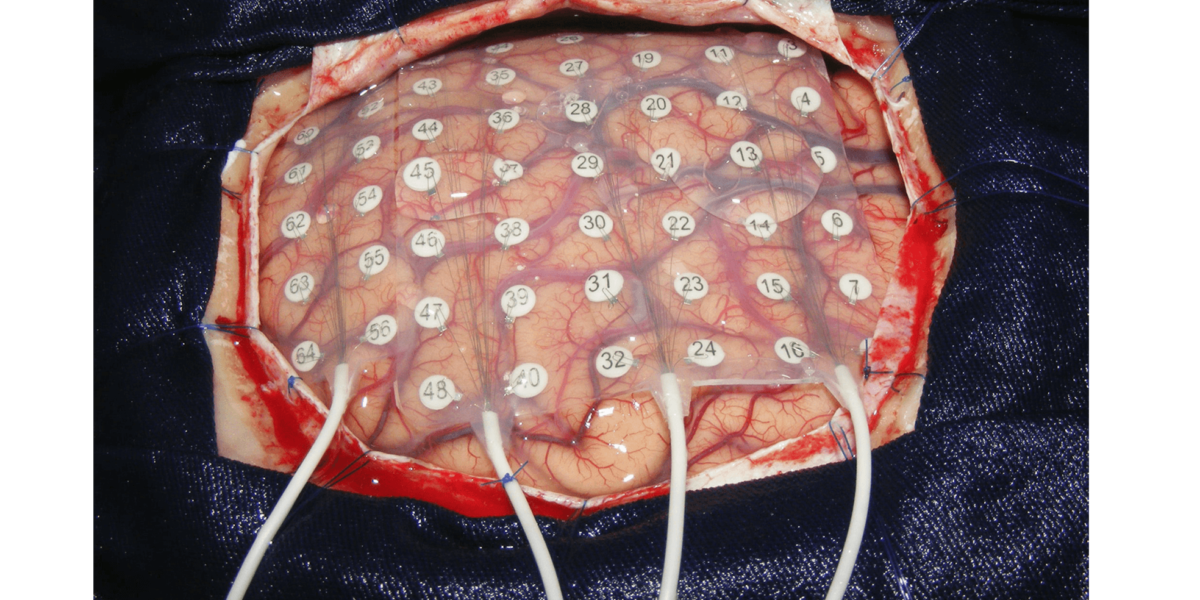
It is better to consult who has comprehensive Knowledge of Epilepsy, viz Dr. Mohana Rao Patibandla. In general, 67% of the seizures will be controlled with medications, but the rest of them not, and this is known as refractory Epilepsy. We can do surgery on these patients and reduce or relieve them from the seizures. Early surgery is one of the most critical steps to control seizures and prevent a decrease in cognitive function from the antiepileptics. Dr. Rao’s Hospital Comprehensive Epilepsy Program offers the most advanced resources available to help you minimize the number of seizures you have. The decision depends on the focus of the lesion. The following studies are instrumental in identifying the epileptic firing focus during the presurgical evaluation.
Video EEG (Electroencephalogram): One of the critical tests performed to diagnose spells and determine epileptic focus.
1.5 Tesla MRI: This is very useful in identifying anatomical lesions that may be missed.
Functional MRI identifies specific functions like arm and leg movement, speech, vision, and language. This is non-invasive planning of surgical strategies to avoid deficits.
ASL MRI, SPECT, PET: These are also available to evaluate more challenging patients with focal Epilepsy and a standard MRI. Identify the lesion based on blood flow.
Neuronavigation System: useful to avoid critical structures and give their surgical field orientation. This dramatically improves precision during surgery.
Intraoperative direct stimulation: This system allows the surgeon to perform direct cortical stimulation on the cortex and subcortical areas. This allows the surgeon to ensure safe maximal resection of the epileptogenic lesion, which is crucial for seizure freedom.
The International League Against Epilepsy has more information on this Epilepsy. We offer the expertise and facilities necessary to provide the highest level of care for patients with complex Epilepsy.
Can Epilepsy be treated?
There have been breakthroughs in epilepsy treatment in the last few years. Over 67% of people with Epilepsy have reasonable control of their seizures with medications. Several new drugs available over the previous decade have very few side effects. Currently, over 15 different types of medications are available for the treatment of fits.
How long does one need to be on medicines?
Epilepsy is a symptom, and it is a manifestation of the disease. Epilepsy varies in type and severity, so treatment varies on a case-by-case basis. With the proper medication and advice, most people with Epilepsy can lead everyday lives.
Who should be approached for the treatment of Epilepsy?
For immediate care, you may contact the general physician or pediatrician. However, to plan long-term care, it is advisable to seek the opinion of a specialist doctor who treats Epilepsy via comprehensive epilepsy care and knows both medications and epilepsy surgery.
Can medications cure Epilepsy?
Medications suppress seizures and keep the patient seizure-free, but they do not remove the tendency to convulsions. Many patients outgrow the tendency to have several episodes of attacks with age and can eventually withdraw antiepileptics.
Is it true that Epilepsy can be cured with Brain surgery?
Yes, 33%% of people with Epilepsy will continue to have seizures despite medications. These patients must be evaluated for seizure focus identification to identify surgical patients. Surgery evaluation includes long-term video EEG (electroencephalogram), MRI, PET, and SPECT. If the focus is identified correctly, the patient will be cured and can stop all medications gradually.
Who needs a presurgical evaluation?
Any person with resistant Epilepsy is a patient who has been on a total dose of two appropriate medications for two years and is still seizing or having side effects.
Epilepsy Care from Evaluation to Diet to Therapy
Our program includes:
- Evaluation
- Video-EEG monitoring
- Neuropsychological evaluation and consultation
- Psychological evaluation and social services
- Rehabilitation, physical and occupational therapy
- Ketogenic diet and nutritional guidance
- Medication management
- Surgical evaluation
- Surgery – Resection (Selective minimally invasive focus resection with navigation, intra-op monitoring)or stimulations (Responsive neurostimulation, Vagus nerve stimulation)
What are the common dos and don’ts for an Epileptic?
- Regularity with medications, even when there are no seizures.
- Even a single missed medication can precipitate a fit.
- You can take the medication as soon as you recollect if a single dose is forgotten. The next dose can be taken as per schedule.
- Do not change medication brands.
- Do not stop medications.
- Ensure adequate sleep every day. Be regular with your sleep and wake-up times.
- About seven to eight hours of sleep per day is a must.
- Decreased sleep is one of the common factors that trigger seizures.
- Dietary restrictions are not required in most patients with Epilepsy.
- Fasting and alcohol may precipitate.
- Ask your doctor about swimming, driving, cycling, and handling heavy machinery.
- Continue with your regular exercise and non-adventure games.
What seizure first aid measures should one be aware of?
In A Patient Having A Major Tonic-Clonic Seizure
- Put the patient on a flat surface, turn them to the left side and watch the clock to note the duration of the event.
- Hold the person down gently; ensure they are safe.
- Do not place any object into the mouth during a seizure.
- Do not restrain limbs forcibly.
- Allow saliva to drool out of the mouth.
- Do not give water or food until fully awakened.
In Acute Seizure
- Most seizures stop spontaneously in 2-3 minutes.
- If a significant seizure with limb jerking lasts more than three minutes, you will need medical help and emergency medications.
- Ask your doctor for suitable emergency medicine during a seizure.
Looking for the best neurosurgery hospital or neurology hospital for the best epilepsy care, Dr. Rao’s hospital in Guntur is the go. Dr. Mohana Rao Paitbandla is the fellowship trained epilepsy surgeon. Contact us at @9010056444 or 9010057444.
Enquiry Now
